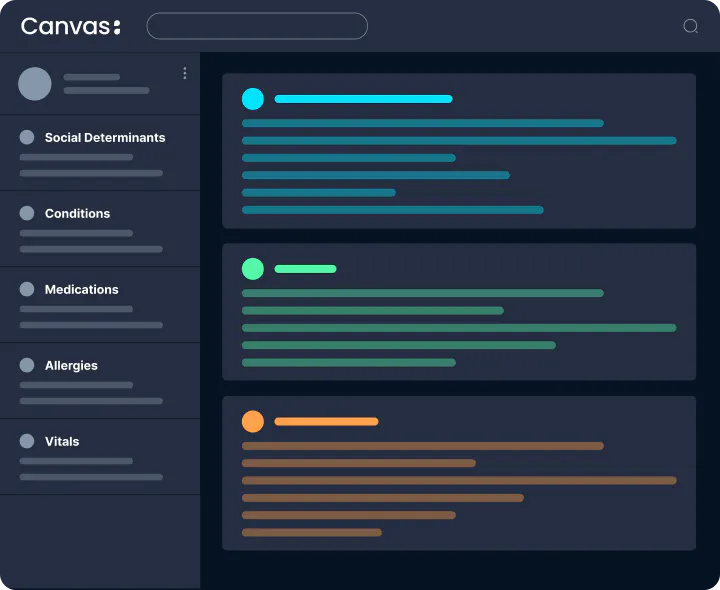
Primary Care
Built for comprehensive adult care - annuals, screenings, and chronic disease management
Pre-built templates you can try today and customize across your group.
Built for comprehensive adult care - annuals, screenings, and chronic disease management

Built for heart failure, CAD, AFib, and complex cardiac care

Built for depression, anxiety, and integrated behavioral health workflows

Built for high-volume, same-day acute visits
Built for groups operating across markets and specialties at scale

Canvas hosts and operates your agents with our server-side SDK, which reduces duplicate state and ensures consistent context. As your system moves to multi-agent coordination, those agents must have shared tools and access to collaborate reliably.
One patient, one chart, regardless of where and how service was delivered. Canvas maintains a single longitudinal record across your group, so providers always have the full clinical picture.
Standardize clinical protocols and quality measures across your group while preserving per-site flexibility where it matters. Canvas gives you cross-location analytics, shared order sets, and group-wide reporting so you can see the big picture and drill into any site.
Stories and tools from multi-provider practices running on Canvas
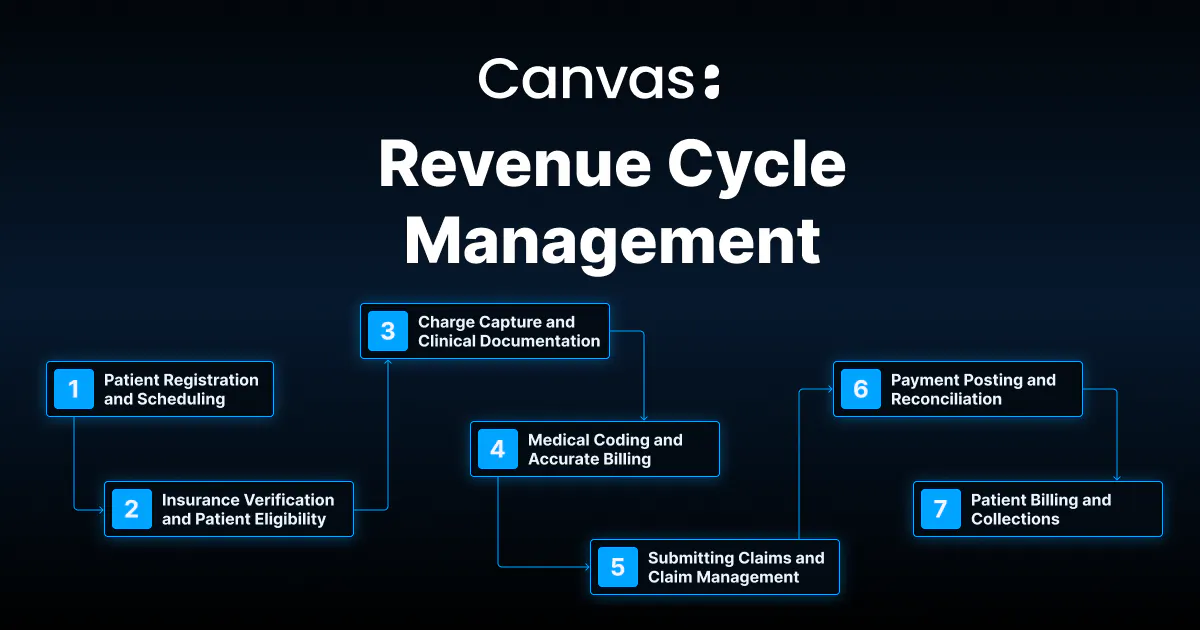
A framework for the financial operations critical to practice sustainability - how groups consolidate billing, automate claims, and close the loop on revenue across multiple sites.
Read more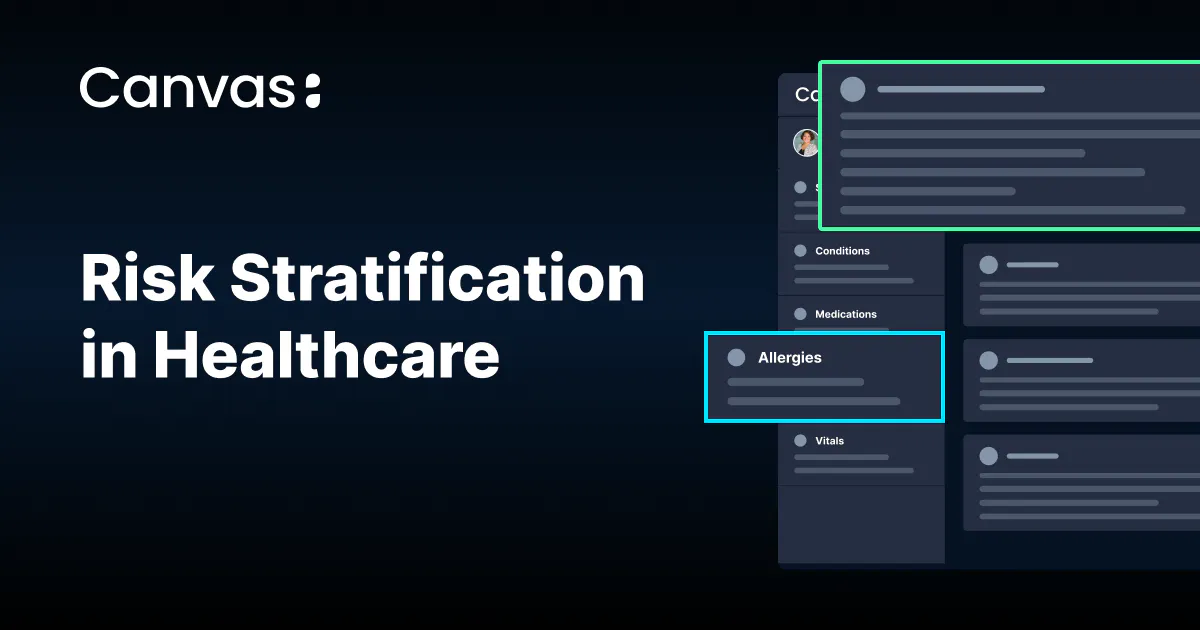
A comprehensive framework for identifying high-risk patient populations - essential for medical groups managing quality measures and value-based care contracts across locations.
Read more
AI-powered ambient documentation standardized across all your sites. Generates structured notes with speaker attribution, feeding directly into coding and orders.
Automated medical coding with consistent protocols across your group. Proposes CPT and ICD-10 codes from signed notes, reducing back-office billing work.

Risk adjustment accuracy for value-based care
Integrated claims submission and eligibility checks - the backbone for group-wide billing and AR management.
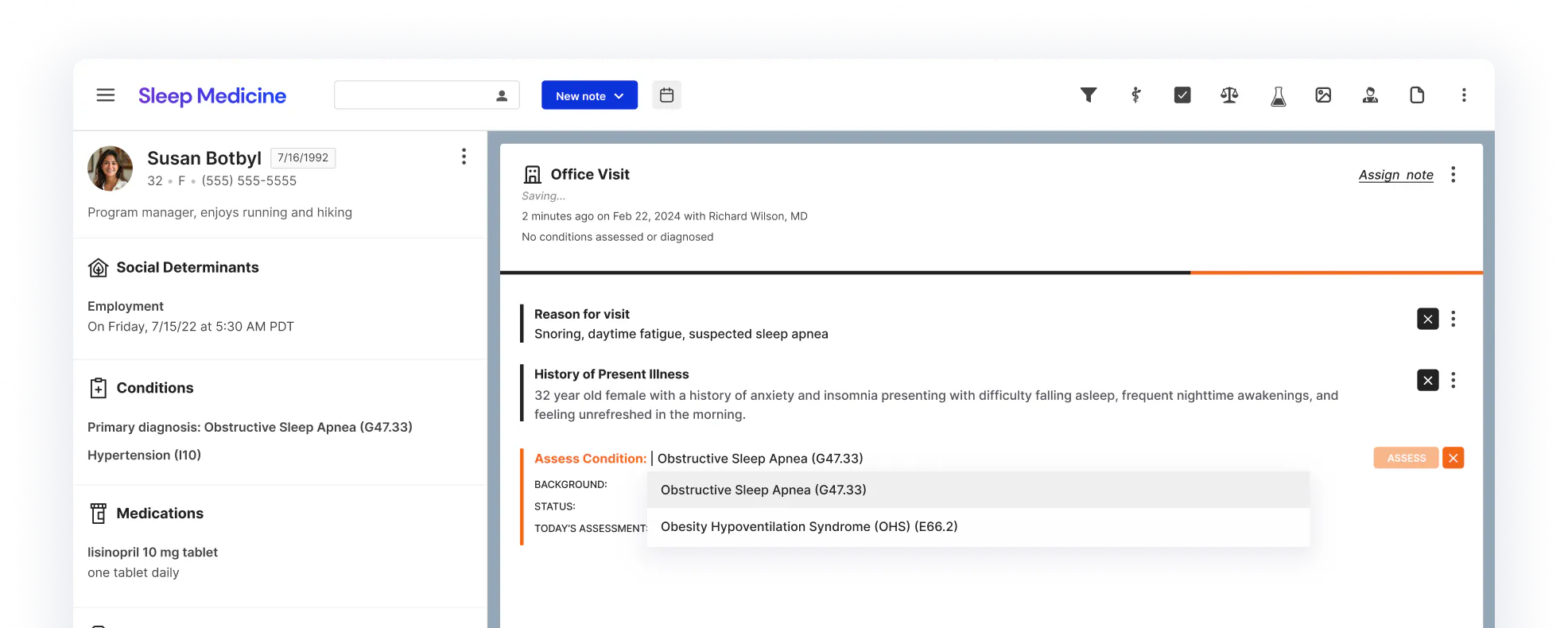
nsert specialty-specific note templates with a single click
End-to-end prescribing workflows - including controlled substances - built into every Canvas chart





Yes. Canvas supports multi-tenant configurations where each site or specialty can run its own workflows, charting templates, and care protocols while sharing a unified patient record across the group. Role-specific views of the patient chart, SSO/SAML/SCIM integration, and role-based access control let you manage permissions across locations and provider types.
Canvas's agent architecture uses a hub-and-spoke model for orchestration. The server-side SDK hosts and operates your agents with shared tools and consistent context, so agents running at one site can coordinate with agents at another. Use cases span front-door AI (scheduling, intake), clinical decision support, billing automation, and fax/document parsing - all standardized or customized per site as needed.
Canvas provides a real-time Postgres read replica for downstream analytics and data warehouse integration (Snowflake, Power BI). Cross-location reporting covers clinical protocols, quality measures, claims aging, and outstanding AR. FHIR endpoints expose 41+ resources (USCDI v3), and webhooks enable custom event triggers for group-wide monitoring. You can see the big picture and drill into any site.
Canvas supports migration from legacy EMRs (Elation, AdvancedMD, Athena, Tebra, Welkin) via CSV/JSON/CCDA ingestion. The phased approach includes day-zero data load, parallel system operation during the transition, and post-go-live backfill. An approximately 80-page migration readme and public mapping code are available. For groups, migrations can be staged by site to minimize disruption across the organization.
Medical groups need platform partners who can deliver better outcomes with reduced overhead. Canvas unifies patient data across your organization, unlocks its value for agents and clinician driven automation, and reduces administrative costs with improved workflow efficiency.